Section J, BASIX and NATHERS Compliance

Adam Clarke • November 10, 2022

Energy Assessments for Class 3 Group Homes and Class 1 multi-unit developments


GROUP HOMES - We have found in recent periods that some certifying authorities are not understanding the requirements around class 3 group home energy compliance. 

In some instances, the energy assessment has solely been completed (in NSW) as a BASIX and NatHERS assessment. 

The NCC states that a Class 3 Group home must demonstrate compliance against the NCC Section J. What needs to be taken into account with this type of assessment is the occupation use. A Class 3 building assumes that the occupants are transient and not occupying the building during the day. As seen on the thermostat settings below such as Occupancy, Lighting, Equipment, and HVAC are switched off during the day from 11am – 4pm. 
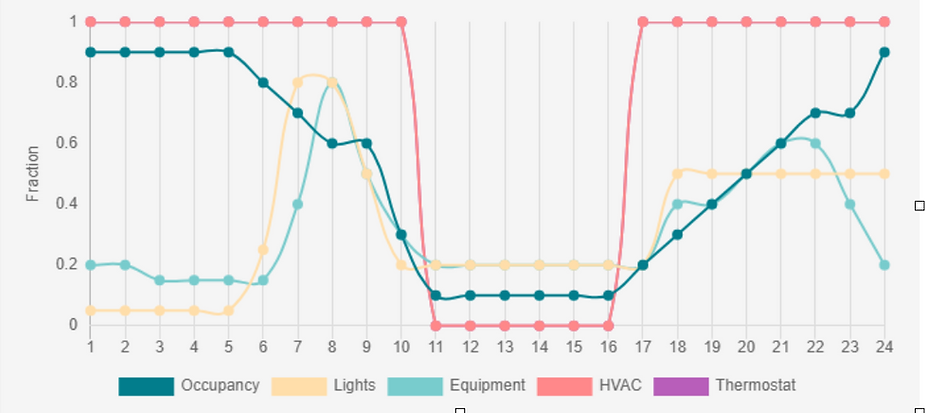
Fraction Graph  — Sydney, NSW — 10 Star Building Assessments

This would be the case for a buildings use such as a backpackers or hostel, Motel or hotel, where the occupants would not be spending time in a room during the day and would only be using the space at night for sleeping.

A Group home would likely have the occupants occupying the building for long periods of time both day and night. The occupant settings for this would be similar to that of a class 1 or 2 type building. Additionally, the dwelling is designed to fit in with the local design environment. Adjacent building shading, window ventilation, roof colours and window colours would all come into place for the occupant’s thermal comfort.

The assess a class 3 group home strictly under the section J provisions may not meet the intent of the NCC class 3 provisions. An Energy design consultant would understand this and request a meeting with the design team and building consultant to assess the best pathway of compliance under the NCC. If it is agreed that the thermal performance of a class 3 group home would function thermally more like a class 1 or 2 building the Energy Consultant would develop a Performance Solution to demonstrate the compliance pathway.

This performance solution should show

  1. The classification of the dwelling
  2. The pathway required to achieve thermal compliance.
  3. Demonstrate the reason why this dwelling cannot achieve compliance using the specified thermal assessment pathway
  4. Show what system is going to be used to achieve compliance
  5. Outline the provisions to certify compliance under this alternative solution

10 Star Building assessments have provided many of these performance solutions for our clients for Class 3 group homes.

BASIX Compliance for Multiunit Developments.

We have found in NSW that the energy compliance pathway for duplexes and townhouses has not been followed according to the BASIX thermal protocol.

A single dwelling in BASIX is a dwelling that is on 1 lot of land and has been subdivided accordingly. Each dwelling thereafter is under a Torrens title.

In some cases, we have found that a BASIX certificate for a Duplex or townhouse, has been developed using 2 separate individual BASIX certificates as single dwellings. BASIX DIY Method for single stand-alone dwellings does not take into account the effects of adjoining neighboring properties. It assumes that all walls have impact from the external environment. High density developments have different heating and cooling loads requirements and should be assessed by an accredited energy assessor.

BASIX requires the simulation method to be used in cases such as these which is the only way adjoining dwellings can be assessed correctly. NatHERS (nation wide housing energy rating system) has approved software to analyze this and provide adjusted heating and cooling loads to be imputed into BASIX.

To ensure your development application is submitted using the correct pathway for compliance, 10 Star Building Assessments are familiar with these methods and are quality controlled through the accrediting organization ABSA – Australian Building and Sustainability Association.


Baby's hand touching a window. Fingers spread, resting on the glass and a white ledge.
November 30, 2025
KidScreen fall-prevention screens let you model bedroom windows at full openability in NatHERS (avoiding the default 10% restriction), improving natural ventilation, lowering cooling loads and reducing the need for higher-performance glazing — while meeting NCC fall-protection rules and AS5203 testing requirements. Why KidScreen matters for NatHERS assessments Alspec’s KidScreen range is specifically designed and tested to meet the Protection of Openable Windows standard (AS5203) and the NCC fall-prevention requirements; the product brochure lists benefits such as preventing accidental falls, allowing full window ventilation, easy adult egress, and NATA testing/certification. KidScreen is available in reinforced polyester and a 316 stainless-steel mesh option that is explicitly promoted for greater visibility and airflow. Regulatory context you must model to The NCC 2022 requires protection for openable bedroom windows where the fall to ground is ≥2 m , and allows protection to be provided by a screen that resists 250 N and prevents a 125 mm sphere passing through. Where a complying screen is absent, NatHERS assessors must use a default openability of 10% for affected windows unless the design documentation specifies otherwise. How KidScreen changes the NatHERS modelling outcome Because KidScreen stainless‑steel mesh meets the AS5203/NCC performance tests , designers can note on plans that windows with a fall ≥2 m are fitted with compliant KidScreen screens and therefore model the windows at their actual (maximum) openability rather than the 10% default. The stainless option has a much higher open area (manufacturer data shows up to ~72% open area for the stainless mesh), which directly increases modeled ventilation capacity. Thermal and health benefits (evidence-based) Greater window openability increases natural ventilation , which reduces indoor overheating hours and can cut cooling energy use substantially in mixed‑mode operation — studies show larger openable areas and appropriate shading can halve overheating hours and energy use in some climates. Good natural ventilation also reduces stagnant air and the risk of mould growth, improving indoor air quality and occupant health and wellbeing. Cost and compliance advantages From a construction and compliance perspective, screens are typically much cheaper than upgrading glazing or installing high-performance windows . By enabling higher modeled openability and lowering heating/cooling loads, KidScreen can help raise a NatHERS star rating and reduce the need for more expensive glazing upgrades — a practical route to both cost savings and compliance. Practical notes for designers and assessors Document the use of KidScreen (product, mesh type and certification) on the drawings and in the NatHERS notes so assessors can justify non‑default openability in the model. Ensure installation is by a certified installer and that the screen’s test certificates (AS5203 / NATA) are available for compliance records. Consider pairing full‑openability windows with ceiling fans or cross‑ventilation strategies to maximise thermal comfort and reduce mechanical cooling demand. https://ncc.abcb.gov.au/guide/d3d29-protection-openable-windows https://www.kidscreen.com.au/
November 2, 2025
A New Era Begins — And 10 Star Building Assessments Is Leading the Way Australia’s residential energy landscape is undergoing a major transformation. The Nationwide House Energy Rating Scheme (NatHERS), long trusted for assessing new homes, is now expanding to include existing dwellings — a move set to empower millions of homeowners with clearer insights into their energy performance and upgrade potential. What’s Changing? For decades, NatHERS has provided star ratings for new builds, helping guide design decisions and improve thermal comfort. Now, through a staged rollout, the scheme is being extended to existing homes — offering assessments that consider: Thermal performance based on design, orientation, insulation, and materials Fixed appliances and their energy use On-site solar generation and storage Practical guidance for cost-effective upgrades This initiative is part of a broader push toward mandatory disclosure frameworks, where energy ratings may soon be required at the point of sale or lease. Why 10 Star Building Assessments Is Ahead of the Curve At 10 Star Building Assessments, we’re proud to be part of the NatHERS trial program for existing homes — actively seeking accreditation under the new framework. Our dual expertise as both accredited thermal assessors and experienced builders gives us a distinct advantage in this evolving field. We don’t just rate homes — we understand them. Our assessments are value-engineered to suit the unique characteristics of each existing building, ensuring recommendations are both practical and cost-effective. Whether it’s identifying insulation gaps, optimizing passive design features, or advising on appliance upgrades, our reports are tailored to deliver real-world impact. What This Means for Homeowners With energy bills rising and climate resilience becoming a priority, NatHERS ratings for existing homes offer: Clear benchmarks for energy performance Actionable advice for upgrades Potential access to green loans and incentives Enhanced property value and buyer confidence As the scheme scales up, homeowners will increasingly rely on trusted assessors to guide them — and that’s where 10 Star Building Assessments shines.
March 2, 2025
Thermal mass refers to the ability of a material to store and release heat energy. It describes the capacity of building materials to absorb heat during the day and slowly release it at night, helping to regulate indoor temperatures. Impact of Thermal Mass in a Dwelling:
June 5, 2024
For homeowners who have invested in achieving a 7-star NatHERS rating in New South Wales, effectively marketing their high-performance home can unlock significant resale value. Here are some tips from a salesperson's perspective on how to showcase the benefits of a 7+ star rated home and what information to discuss with your real estate agent to maximize its market appeal.
January 22, 2024
Embodied Energy
By Adam Clarke May 24, 2021
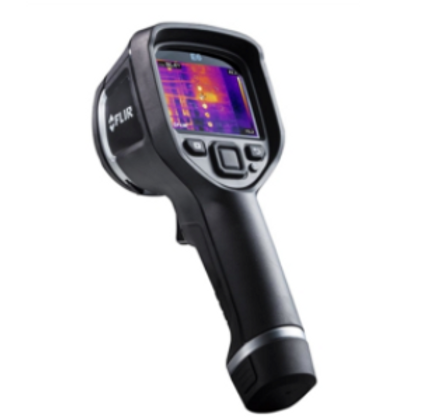
10 Star Building assessments have invested in the latest technology to assist in completing our inspections to the highest standard.
By Adam Clarke May 8, 2021
As a Thermal Energy Assessor and Building Defect Inspector find that I am in a unique position to be able to understand the requirements of a NatHERS certificate and BASIX certificate.
By Adam Clarke May 6, 2021
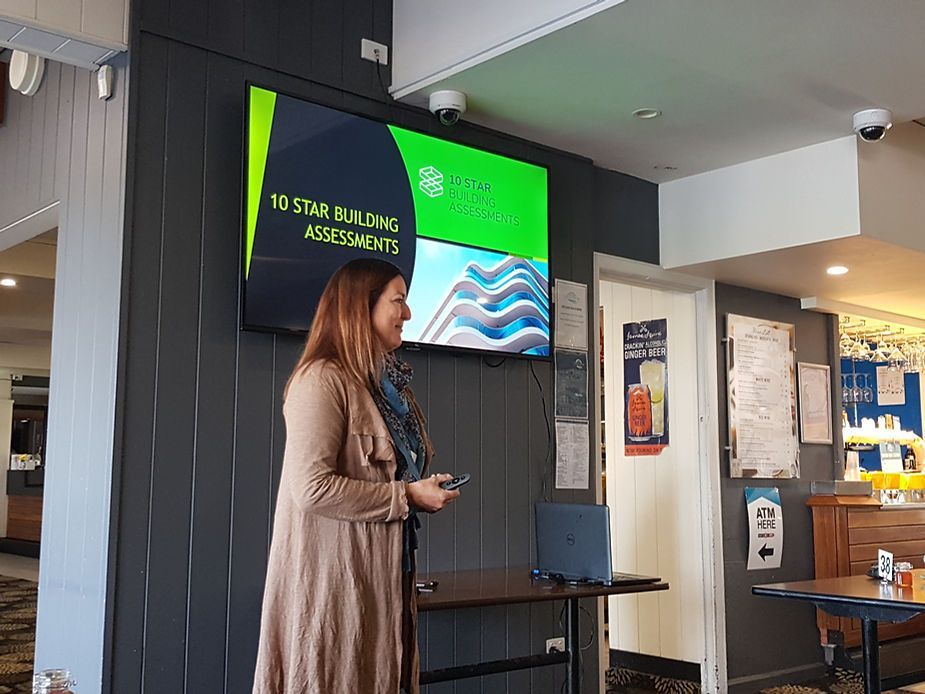
10 Star Business Assessments met with various businesses and professionals to showcase how the experience and knowledge of our team and the beneficial results.